

PPEFA Inspection
Sicherheit bei Arbeiten in der Höhe
Dokumentierte Sachkundigenprüfung
Prüfung durch qualifizierte Fachkräfte gemäß DGUV Grundsatz 312-906
Kennzeichnung & Prüfnachweise
Dokumentation aller geprüften Komponenten inklusive Prüfprotokoll
Beratung & Austausch
Empfehlungen zu Ersatzbeschaffungen und Optimierung Ihrer Absturzsicherung
Gesetzliche Grundlagen und Vorschriften
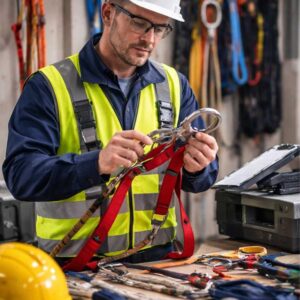
Die Prüfung von PSAgA ist unter anderem in der DGUV Regel 112-198/199 sowie im Arbeitsschutzgesetz verankert. Arbeitgeber sind verpflichtet, die Ausrüstung regelmäßig – mindestens einmal jährlich – durch eine sachkundige Person prüfen zu lassen. Wir unterstützen Sie dabei, alle gesetzlichen Anforderungen zuverlässig zu erfüllen.
Die regelmäßige Prüfung von persönlicher Schutzausrüstung gegen Absturz (PSAgA) ist also gesetzlich vorgeschrieben und entscheidend für die Sicherheit Ihrer Mitarbeiter. Wir übernehmen die fachgerechte Prüfung Ihrer Ausrüstung gemäß DGUV-Regelwerk und sorgen dafür, dass Ihre Absturzsicherung jederzeit einsatzbereit ist.
Ob Einzelprüfung oder vollständige Betreuung Ihrer Absturzsicherung: Wir sind Ihr zuverlässiger Partner für die PSAgA-Prüfung. Kontaktieren Sie uns für ein individuelles Angebot und sorgen Sie für maximale Sicherheit in Ihrem Unternehmen.
Warum ist die PSAgA-Prüfung so wichtig?
Auffanggurte, Verbindungsmittel und Anschlageinrichtungen sind extremen Belastungen ausgesetzt. Bereits kleinste Beschädigungen können im Ernstfall lebensgefährlich sein. Durch regelmäßige Prüfungen stellen Sie sicher, dass Ihre Ausrüstung den gesetzlichen Anforderungen entspricht und zuverlässig funktioniert.
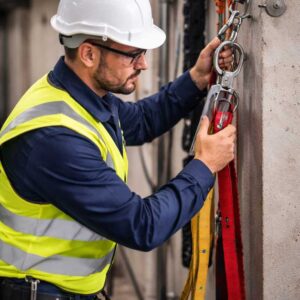
Was gehört zur PSAgA?
Zur persönlichen Schutzausrüstung gegen Absturz (PSAgA) zählen unter anderem Auffanggurte, Verbindungsmittel, Höhensicherungsgeräte, Karabinerhaken und Anschlageinrichtungen. Diese Komponenten müssen regelmäßig geprüft werden, da sie im Ernstfall lebensrettend sind und höchsten Sicherheitsanforderungen entsprechen müssen.
Wie oft muss PSAgA geprüft werden?
Die Prüfung der PSAgA muss mindestens einmal jährlich durch eine sachkundige Person erfolgen. Je nach Einsatzbedingungen – beispielsweise bei intensiver Nutzung oder besonderen Umwelteinflüssen – können auch kürzere Prüfintervalle erforderlich sein. Zusätzlich ist eine Sichtprüfung vor jeder Benutzung durch den Anwender vorgeschrieben.
Wer darf PSAgA prüfen?
Die Prüfung darf ausschließlich durch eine befähigte Person mit entsprechender Fachkunde durchgeführt werden. Diese muss über fundierte Kenntnisse der gesetzlichen Vorschriften sowie praktische Erfahrung im Umgang mit Absturzsicherungssystemen verfügen. Wir stellen sicher, dass alle Prüfungen normgerecht und rechtssicher erfolgen.
Was sind typische Mängel bei PSAgA?
In der Praxis treten häufig Verschleißerscheinungen wie Risse in Gurtbändern, beschädigte Nähte, Korrosion an Metallteilen oder Defekte an Karabinern auf. Auch unsachgemäße Lagerung oder falsche Nutzung kann die Sicherheit erheblich beeinträchtigen. Eine regelmäßige Prüfung deckt diese Risiken frühzeitig auf.
PSAgA-Prüfung dokumentieren – warum das entscheidend ist
Eine lückenlose Dokumentation der PSAgA-Prüfung ist nicht nur gesetzlich erforderlich, sondern auch im Haftungsfall von großer Bedeutung. Prüfprotokolle, Kennzeichnungen und Nachweise sorgen für Transparenz und geben Ihnen die Sicherheit, im Ernstfall abgesichert zu sein.
PSAgA und Arbeitsschutz – ein zentraler Baustein
Die Prüfung von Absturzsicherung ist ein wesentlicher Bestandteil eines funktionierenden Arbeitsschutzsystems. In Kombination mit Gefährdungsbeurteilungen, Unterweisungen und technischen Schutzmaßnahmen trägt sie maßgeblich dazu bei, Arbeitsunfälle zu vermeiden und die Sicherheit auf Baustellen und in der Industrie zu erhöhen.
Für welche Unternehmen ist die PSAgA-Prüfung relevant?
Die Prüfung von PSAgA ist für alle Unternehmen relevant, in denen Arbeiten mit Absturzgefahr durchgeführt werden – etwa im Baugewerbe, in der Industrie, im Handwerk, bei Dacharbeiten oder in der Wartung von Anlagen. Arbeitgeber sind verpflichtet, geeignete Schutzmaßnahmen bereitzustellen und regelmäßig zu überprüfen.
Was kostet die PSAgA-Prüfung?
Die Kosten hängen von der konkreten Ausrüstung ab. Die Kosten für eine PSAgA-Prüfung sind im Vergleich zu den möglichen Folgen eines Unfalls gering. Neben der Einhaltung gesetzlicher Vorschriften profitieren Unternehmen von geringeren Ausfallzeiten, weniger Haftungsrisiken und einem höheren Sicherheitsniveau für ihre Mitarbeiter.
Why us?
Experience Meets Practice
Wir kombinieren fundiertes Fachwissen mit praktischer Erfahrung, um die Prüfung Ihrer persönlichen Schutzausrüstung gegen Absturz sicherzustellen.
Legally Sound & Reliable
We ensure that all legal requirements are met—in a transparent and well-documented manner.
Personalized & Solution-Oriented
Ihre PSAgA kommt rechtzeitig für den nächsten Einsatz zurück zu Ihnen.